 DE
DE

Hotel Proposal Process Mistakes: Where Hotels Silently Lose Group Business
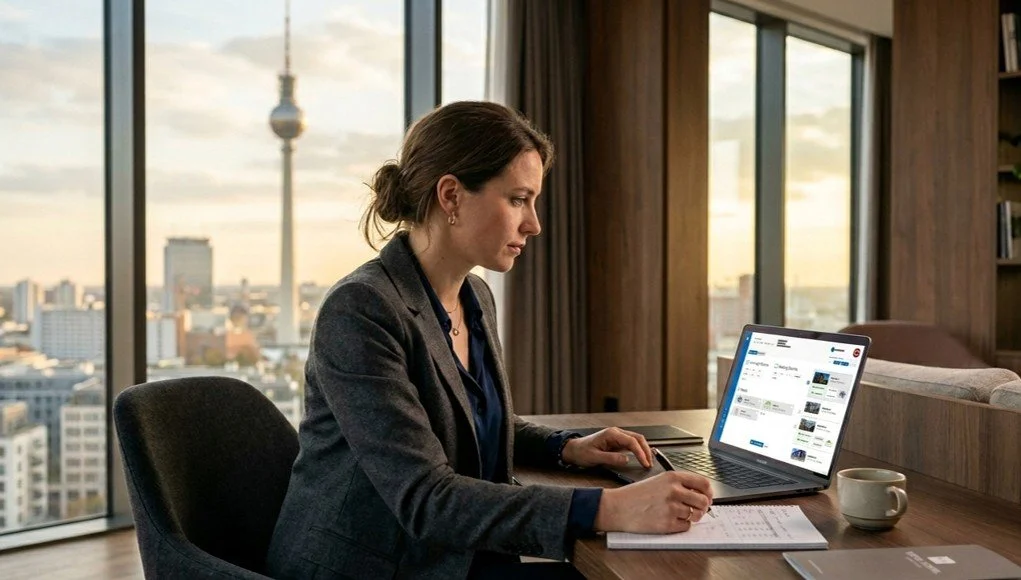
Where inquiries arrive faster than systems can process them, mistakes happen, mostly invisible. (The image is AI-generated.)
Generic proposals instead of needs analysis, response times beyond 24 hours, system gaps between Opera and Outlook: hotels don’t lose group business dramatically - they lose it quietly. Jürgen Gangl, General Manager of the Park Inn by Radisson Berlin Alexanderplatz, explains in this interview where the most costly mistakes in the hotel proposal process occur and why SOPs alone don’t solve the problem.
What Are Proposal Process Mistakes - and Why Do They Stay Hidden?
Proposal process mistakes are any deviations between inquiry, proposal, and booking that lead to revenue loss, additional workload, or damage to client trust: missing needs analysis, unclear service descriptions, manual data transfer errors between systems, excessive response times, and proposal documents that feel generic because a PMS Word-merge document cannot reflect client-specific logic. Most of these mistakes are operationally invisible. They only show up in conversion rates, processing time, or unexplained rejections.
“Many mistakes are fundamentally visible - but often only when time pressure has already built up or quick fixes are urgently needed. Some of the challenges certainly remain hidden in day-to-day operations.”
— Jürgen Gangl, General Manager, Park Inn by Radisson Berlin Alexanderplatz
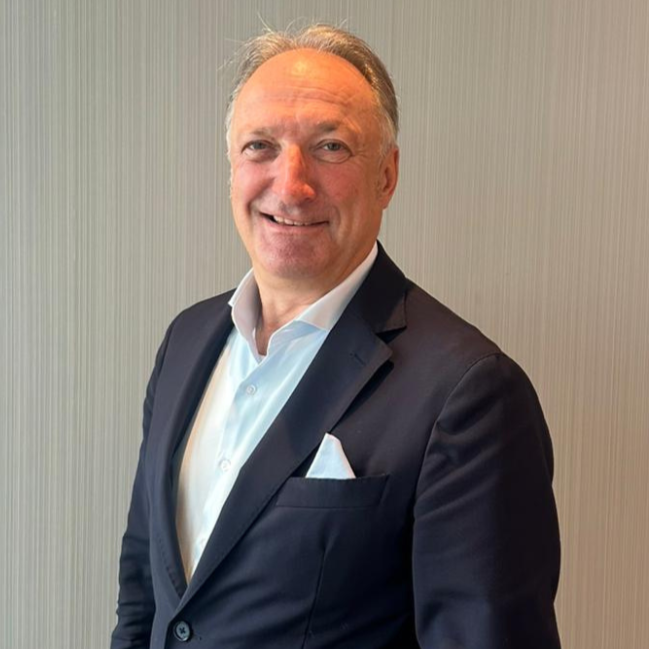
About the author:
Jürgen Gangl, General Manager of Park Inn by Radisson Berlin Alexanderplatz
Jürgen Gangl is the General Manager of Park Inn by Radisson Berlin Alexanderplatz, which, with 1,028 rooms spread across 40 floors, is the second-largest hotel in Germany and the tallest hotel in Berlin. He has managed the property since 2005 and, as Director of Operations for Event Hotels, is also responsible for several other properties within the group. From 2014 to 2026, Jürgen Gangl served as Chairman of the Hoteldirektorenvereinigung Deutschland e.V. (HDV) and shaped the association for more than a decade.
This observation aligns with industry analysis: the majority of mistakes in group and banqueting business don’t occur during the event itself, but in the phases before - where sales and operations work separately and information is transferred multiple times. This is where the lever shifts: away from individual errors, towards structural system failures.
Generic Proposals Instead of Needs Analysis: The First Costly Mistake
The most common mistake in the hotel proposal process is a workaround under capacity pressure: when inquiry volumes are high, individual proposal work is replaced by standardised batch proposals - often with cross-selling logic, but without a focused answer to the client’s actual needs.
“Either certain requests are operationally not feasible, or a fully individual proposal would simply take too long when inquiry volumes are high. So hotels often send standardised proposals with an overview of all available services.”
— Jürgen Gangl
This isn’t laziness, it’s a capacity decision. But the downstream costs are high: some clients find comprehensive batch proposals confusing and impersonal. Others book services that were intentionally left out, forcing retroactive amendments and contract changes that create additional manual work in Opera. Every one of these loops costs more time than the standardisation saved.
Response Time: Why the 24-Hour Rule Is Often a Fiction
A response time under 24 hours is widely considered the threshold beyond which conversion rates start to drop significantly. In practice, it is rarely achievable when a binding proposal needs to be coordinated - particularly for MICE inquiries involving third-party services.
“Proposals cannot always be given a concrete response within 24 hours, because hotels try to accommodate all requests or wait for feedback from external partners first - to be able to send a binding offer straight away.”
— Jürgen Gangl
The conflict is real: completeness versus speed. A proposal sent too quickly is often incomplete; a complete proposal is often too slow. In both cases, the hotel loses conversion - in one case through perceived quality, in the other to a competitor who responds with a structured proposal within two hours. The only fix is removing the time-intensive steps - availability checks, pricing, initial proposal structure - from the manual workflow. This is precisely where structured hotel proposal automation makes its impact.
System Gaps Between Opera, Outlook and Excel: The Invisible Source of Error
System gaps between the PMS (Opera), the email platform (Outlook), and Word documents are the single largest structural source of error in the hotel proposal process. Every manual handover between two systems is a potential failure point - not because of carelessness, but because of architecture.
“System gaps play a significant role. When systems like Opera and Outlook don’t communicate with each other, manual intermediate steps become unavoidable. Proposals are pulled from Opera as a merge letter and then edited manually. It’s precisely these manual transfers that significantly increase the error rate.”
— Jürgen Gangl
In practice: when a proposal document is generated as a PMS Word-merge and then manually updated through multiple steps, every step is a failure point. Prices get transferred incorrectly, room blocks diverge, service descriptions contradict the original inquiry. What was designed as an efficiency tool becomes the primary source of error.
“Most hotel sales stacks aren’t integrated - they’re chained. Every copy-paste between PMS, Outlook and Word is a failure point — not because of a lack of care, but because of missing interfaces. We solve this by automating the transitions: via API where vendors allow it, via RPA where they don’t.” says Tigran Manvelyan, CTO at MICE DESK.
SOPs Exist - So Why Do They Fail Under Pressure?
SOPs fail in the hotel proposal process not because of ignorance, but because of time pressure: as soon as inquiry volumes rise, team members reach for the fastest tool - not the intended one. Structural solutions therefore lie in the tools, not in additional audits.
“Standards and SOPs are the foundation of every onboarding process for new staff and trainees. A shared understanding of quality within the team ensures that even under time pressure, a consistent approach is maintained: professional, efficient, and always with the guest in mind.”
— Jürgen Gangl
In practice, that consistency depends on two factors: team experience and sufficient time. The moment either is missing - holiday cover, high inquiry volumes, last-minute requests - Excel sheets, email threads and merge-letter workarounds take over, because they’re operationally faster than the intended SOP path. The structural fix is building systems that make the right way the fastest way.
What Does It Actually Cost? Three Cost Types - One Invisible
Proposal process mistakes generate three types of cost simultaneously: direct revenue loss, process costs, and positioning costs. The most expensive — positioning - is measured least often.
The three cost types at a glance:
1. Direct revenue loss - bookings lost due to slow or unclear proposals.
2. Process costs - hours spent on amendments, contract changes and manual corrections in Opera.
3. Positioning costs - reputation as an unreliable MICE partner, declining repeat booking rates, weakened brand perception.
“In the worst case, mistakes lead directly to revenue loss, lost bookings and dissatisfied partners. At the same time, they create internal inefficiencies and can, over time, affect how the property is perceived in the market.”
— Jürgen Gangl
Positioning costs only become visible after quarters have passed - as returning clients who don’t come back, and as inquiries that land with competitors before they ever reach your sales inbox.
Automation: Where It Helps and Where Human Expertise Is Irreplaceable
Automation handles data transfer, availability checks, pricing and the initial proposal draft. The human team handles needs analysis, individual consultation, relationship management and final quality review. In that sequence, both speed and personalisation become possible simultaneously.
“Automation can simplify repetitive processes and reduce errors caused by manual transfers between systems. It creates capacity in the team to focus more on in-house guests, live events, and the personal care of confirmed clients.”
— Jürgen Gangl
In the traditional setup, speed and personalisation compete with each other. Once the manual transfer steps are removed, they can be decoupled. That is the point at which structural change begins.
How Hotel Proposal Automation Structurally Reduces Proposal Process Errors
This is where MICE DESK comes in - built as a specialist hotel group sales software for group and convention sales, and explicitly not as another PMS extension. Rather than optimising the PMS Word-merge document, the hotel proposal process is rethought as a structured digital workflow: inquiries are captured centrally, availability and rates pulled from existing systems, and the proposal is generated as a structured digital overview with drill-down details, embedded visuals and a one-click amendment dialogue for the client. Change requests update the proposal and linked systems simultaneously - eliminating system gaps where they cost the most today.
At the centre is Rocket AI: the hotel proposal generator that automates the proposal process from inquiry to booking, while freeing the team for human quality review rather than replacing it.
“As long as hotels are generating proposals from a PMS Word-merge, personalisation is a question of tools, not intent. Waiting costs conversion — to competitors who respond with a structured proposal in two hours - and every hour spent on amendments and contract corrections is an hour that could go to new business.” explains Bernd Fritzges, CEO MICE DESK.
The commercial lever works in two directions simultaneously: fewer manual errors during proposal creation, and fewer retrospective corrections in day-to-day operations. This drives both Commercial Uplift (conversion, repeat bookings, visibility of displaced inquiries) and OPEX reduction (hours per proposal, process costs, scalable workflows) — and relieves the team precisely during the peak periods when batch proposals are currently sent as a reflex.
Want to see what a structured, digital proposal process looks like in practice? We’re happy to show you in a 30-minute demo - no preparation needed, no commitment required.
Frequently Asked Questions
What are the most common mistakes in the hotel proposal process for meetings and groups?
Generic batch proposals without a needs analysis, response times beyond 24 hours, manual data transfer errors between PMS, Outlook and Word, and unclear service descriptions that lead to amendments and contract changes. Structurally, these mistakes occur at the interfaces between systems - not in individual team member actions.
How can I automate hotel proposal creation without losing personalisation?
By automating data transfer, availability checks and the initial draft, while keeping needs analysis, consultation and quality review with the sales team. A structured digital proposal workflow - as delivered by MICE DESK Rocket - replaces the PMS Word-merge with a configurable, client-interactive proposal format with one-click amendment logic.
What is the difference between a hotel proposal generator and a PMS Word-merge document?
A PMS Word-merge document is essentially a data export: master data, rates and standard modules are filled into a Word template, with no client-specific logic - every personalisation step is manual and a potential failure point. A hotel proposal generator is a structured digital workflow: inquiry data, availability and rates are processed centrally, and the proposal is generated as an interactive overview with drill-down details and client-side amendment logic.
How do I know if something is wrong in my proposal process?
Three signals at once: KPIs (offer-to-booking time over 24 hours, declining conversion rate, high rate of unexplained rejections), client feedback (unmet expectations after the event), and internal reports from banqueting and F&B that often only surface information gaps after the event has taken place.
How long does hotel proposal creation typically take?
In a manual process - PMS export, Outlook, Word-merge, manual additions - processing time ranges from 45 minutes to several hours depending on inquiry complexity. Including coordination with external partners, many hotels regularly exceed the 24-hour threshold. With structured hotel proposal automation, this can be reduced to under 15 minutes - while simultaneously improving proposal quality.
Key Takeaways
Proposal process mistakes at hotels are rarely people problems — they are system problems. They occur at the interfaces between PMS, Outlook and manual workflows.
Generic batch proposals reduce short-term workload but generate amendments, contract changes and conversion losses downstream.
The 24-hour rule is only realistic in properties where availability checks and initial drafts are automated — otherwise it remains a target hotels consistently miss.
SOPs exist in almost every property. They fail under time pressure — not because of ignorance. Structural solutions lie in the tools, not in additional audits.
Automation drives Commercial Uplift (conversion, repeat bookings) and OPEX reduction (hours per proposal) simultaneously — and gives the team back the time for what humans do better than systems.
Further Reading:
Hotel Proposal Automation: Why Static Documents Are Costing You Group Sales Conversions
MICE automation in hotels: What really motivates convention sales teams
Group Sales Software: How Hotel Proposal Automation Wins More Business